
Electrocardiogram (ECG)

A resting ECG records the electrical activity of your heart - quick, painless and without side effects.
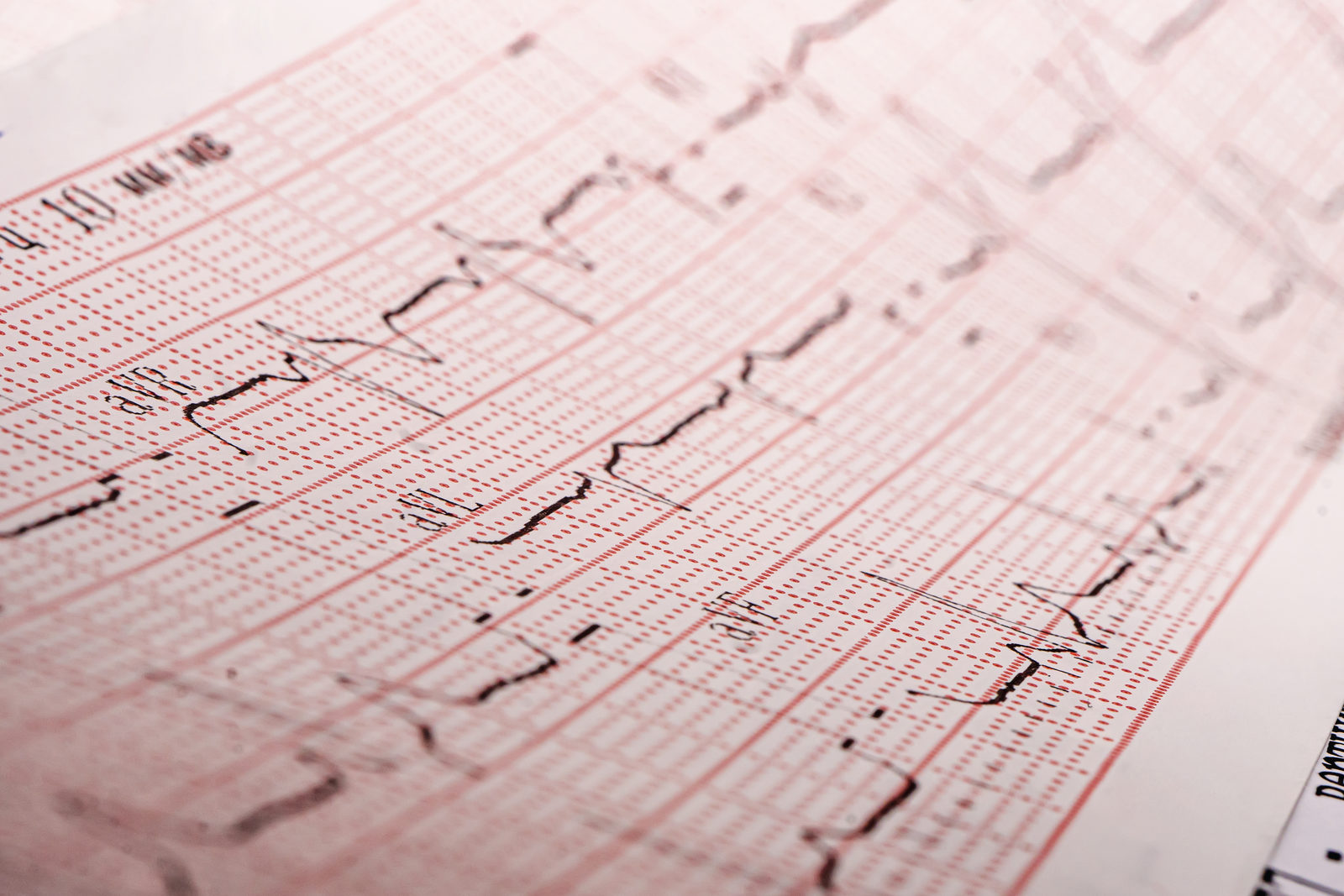
ECG printout showing a heart trace

One of the most important basic tests in cardiology

Every heartbeat produces small electrical impulses. The ECG shows them as a trace. This lets us assess your heart rhythm and rate and detect signs of reduced blood flow, a thickened heart muscle or a previous heart attack.

The recording takes only a few minutes. The result is evaluated by the doctor and discussed with you in the context of your symptoms.

When is an ECG done?

  • Palpitations or a racing heart
  • Chest pain or pressure
  • Shortness of breath or dizziness
  • High blood pressure
  • Monitoring during treatment with heart medication
  • Before surgery or as part of a check-up

In case of acute chest pain, shortness of breath or loss of consciousness, call the emergency number 112 immediately.

What happens during an ECG

  • 01
    PreparationYou undress to the waist and lie comfortably on the couch.
  • 02
    ElectrodesSmall adhesive electrodes are placed on your chest, arms and legs.
  • 03
    RecordingYou lie still while the device takes a short recording.
  • 04
    EvaluationThe doctor assesses the trace and discusses it with you.

How to prepare

  • No special preparation needed
  • Take your medication as usual
  • Avoid body lotion on your chest on the day of the test
  • Wear clothing that is easy to take off
  • Bring previous ECGs for comparison

Related services

Your doctor

Book an appointment

Book online via Doctolib or call us during consultation hours.