
Exercise ECG

An ECG recorded during physical exercise, e.g. on a bicycle ergometer. It shows how your heart responds when it has to work harder - under medical supervision.
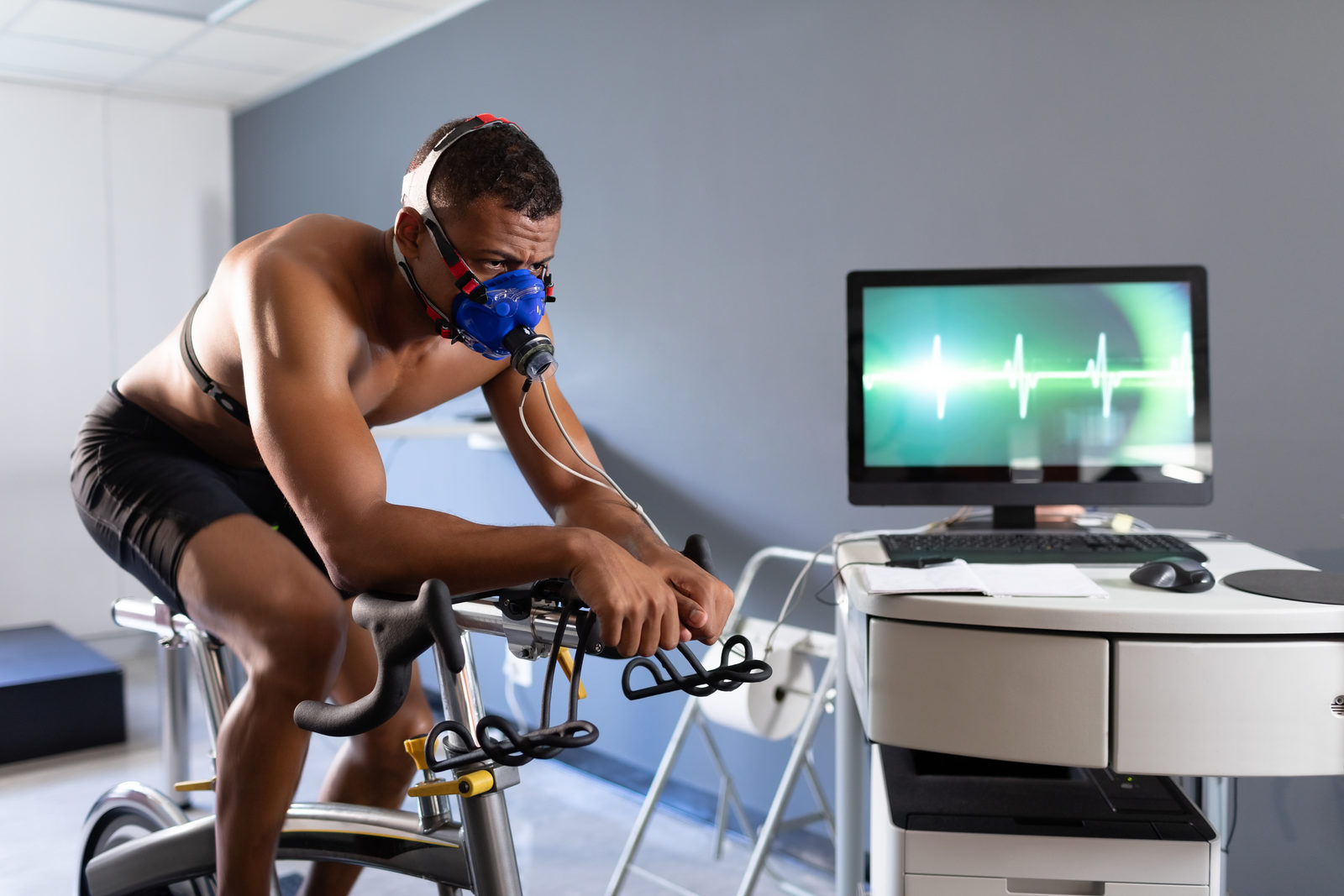
Exercise test on a bicycle ergometer with ECG electrodes

How well does your heart cope with exertion?

Some heart symptoms only appear during physical effort. During an exercise ECG, the workload increases step by step while your ECG, pulse and blood pressure are monitored continuously.

This can reveal signs of reduced blood flow in the coronary arteries, exercise-related rhythm disorders and how your blood pressure behaves under strain. The test also shows how fit you are physically.

When is an exercise ECG useful?

  • Chest pain or shortness of breath on exertion
  • Suspected coronary artery disease
  • Follow-up after treatment of the coronary arteries
  • Blood pressure response to exercise
  • Assessing your fitness, e.g. before taking up sport

In case of acute chest pain, shortness of breath or loss of consciousness, call the emergency number 112 immediately.

What happens during an exercise ECG

  • 01
    Initial assessmentThe doctor checks whether the test is suitable for you.
  • 02
    PreparationElectrodes and a blood pressure cuff are attached.
  • 03
    ExerciseYou pedal while the resistance increases gradually. You can report any discomfort at any time.
  • 04
    Recovery and discussionYour values are monitored during recovery and then discussed with you.

How to prepare

  • Comfortable sportswear and sturdy shoes
  • No heavy meal right before the test
  • Take your medication as usual unless agreed otherwise
  • Bring something to drink
  • Let us know if you feel unwell on the day of the test

Related services

Your doctor

Book an appointment

Book online via Doctolib or call us during consultation hours.